

Tips
Skills That Outlast the Season
SportsHero · November 16, 2026 · 6 min read
- Life Skills
- Sports
- Coaching
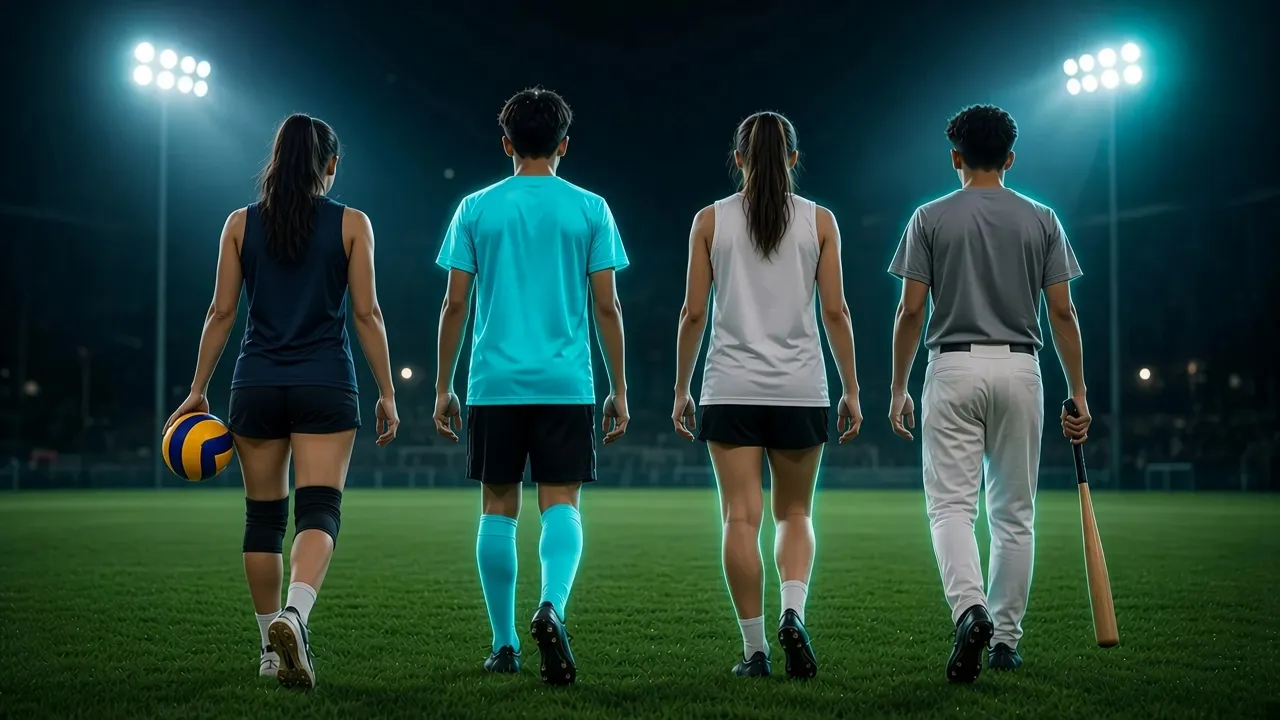
The scoreboard goes dark. The jersey goes in the wash. What is left is the part that matters on Monday: how your athlete talked to a teammate, got back up after a miss, and still made it to homework before practice.
Youth sports are one of the few places a teenager practices adult skills while the stakes still feel like a game. The research is careful. Playing does not guarantee a leader, a straight-A student, or a calm kid. It does give families a weekly laboratory for teamwork, resilience, discipline, communication, and health habits, if the adults around the team protect the point of it.
Teamwork you can actually practice
Teamwork is not a poster in the locker room. It is a pass when you wanted the shot, a sub who still cheers, and a huddle where someone listens.
A fact sheet from the President's Council on Sports, Fitness & Nutrition ties sports participation to better teamwork, social skills, and social responsibility. A 2013 systematic review of sport for children and adolescents found that social interaction was one of the most commonly reported benefits, and that team sports may help more than individual activity because other people are part of the work.
Ask your athlete for one moment, not a speech. Who did they help? Who helped them? That question turns a box score into a skill they can name.
Resilience is what you do after the miss
Nobody wins every night. A dropped ball, a benching, or a loss that stings in the car is uncomfortable on purpose. The same President's Council fact sheet links sports with perseverance, grit, and resilience, the traits that show up at school and later at work.
The lesson is not "toughen up." It is shorter than that. Name what happened. Decide the next rep. Show up again. A teen who can do that after a bad quarter is practicing the same move they will need after a hard test or a first job that does not go perfectly.
Discipline, time, and a goal they chose
Between practice, games, and school, athletes learn a calendar whether they mean to or not. Pack the bag. Finish the assignment before the bus. Be on time when other people are counting on you.
The President's Council lists goal setting, time management, and work ethic among the life skills associated with sports. In the survey behind that fact sheet, 80 percent of parents said sports helped their child learn discipline and dedication, and how to get along with other people. Those are parent beliefs, not a lab result, and they match what a lot of sidelines already see.
One goal beats a speech. Let them write a single line they control: "I will talk to a new teammate this week," or "I will be dressed before the coach starts." Goals they pick are easier to keep than goals shouted from the bleachers.
Leadership and communication
Leadership is not only the captain's patch. It is the player who gathers the group after a mistake, the one who explains a play so a younger teammate understands it, and the one who tells a coach the truth without a scene.
The President's Council fact sheet associates sports with greater leadership qualities, and with life skills such as empathy and negotiation. Getting along with people is a communication skill. So is hearing a correction and trying it on the next play, instead of arguing with the whistle.
If your athlete is quiet, leadership can look like reliability. Showing up prepared, welcoming a new kid, and keeping their word are communication too.
Confidence that comes from effort
Confidence grows when a hard thing gets a little less hard. Landing a skill after weeks of misses teaches a sentence kids can use off the field: I can get better at this.
The 2013 review found improved self-esteem was the benefit researchers reported most often. The President's Council fact sheet also links sports with higher self-esteem and confidence. That is an association, not a promise for every child. A team that only praises the scoreboard can shrink a kid as fast as it grows one. Praise the rep, the courage to try, and the teammate they lifted.
Health habits, and pressure that does not have to win
Sports are also a health habit with a schedule attached. The CDC points to the federal guideline that children and adolescents ages 6 to 17 do 60 minutes or more of moderate-to-vigorous activity a day. Regular activity is tied to stronger muscles and bones, better heart and lung fitness, improved attention and memory, and a lower risk of depression.
A CDC analysis of U.S. high school students found that playing on at least one sports team in the past year was associated with lower odds of depressive symptoms. The authors are clear that the study cannot prove sports caused that difference. What it does support is a practical idea: shared goals, a routine, and people who expect you can be part of how teens cope.
Pressure is real. A loud crowd, a parent who only asks about the score, or a coach who never lets a mistake go can turn a healthy challenge into dread. The skill worth keeping is a reset: one breath, the next play, and adults who treat a loss as information instead of a verdict.
How parents can help
You do not need a coaching license. A few habits do more than a halftime speech.
- Ask "what did you try?" before "did you win?" Project Play found that the average child quits a sport by age 11, most often because they stopped enjoying it.
- Let them keep one goal in their own words, and check it the way you would check a homework plan.
- Notice the teammate moment out loud. Kids repeat what gets seen.
- Protect sleep, food, and a day that is not a game. Health habits stick when they are normal at home, not a lecture in the parking lot.
- If cost is the thing pushing them out, say so early. Project Play's latest parent survey found families spent an average of $1,016 on one child's primary sport in 2024. Sponsorships from people who already cheer for your athlete can help with fees and gear without turning the season into a fundraiser speech.
Coaches help most when they teach the skill and the person. A correction that includes what to do next is communication. A correction that is only volume is noise.
A free card for the work, not just the win
The season is short. The skills are the souvenir.
Your athlete can make a free Rookie card on SportsHero and put the sport, the team, and the effort on something they can share. Family and friends who want to help with fees or gear can back that season with Sponsorships. It is free to start.
Get in the game
Make the athlete's card, then share it with the people who want to back the season through Sponsorships.
Related posts
Tips
The Parent's Role on Game Day
Cheer the effort, leave the coaching to the coach, and keep the ride home kind. A practical game-day plan for parents, with what the research actually says about pressure.
Read MoreNovember 16, 2026 · 6 min read
Tips
More Than a Game: Why Playing Sports Matters So Much for Kids
From stronger bodies to bigger confidence, here's why youth sports matter and how parents can keep the game fun, healthy, and within reach.
Read MoreNovember 15, 2026 · 5 min read