

Tips
More Than a Game: Why Playing Sports Matters So Much for Kids
SportsHero · November 15, 2026 · 5 min read
- Sports
- Health & Nutrition
- Life Skills
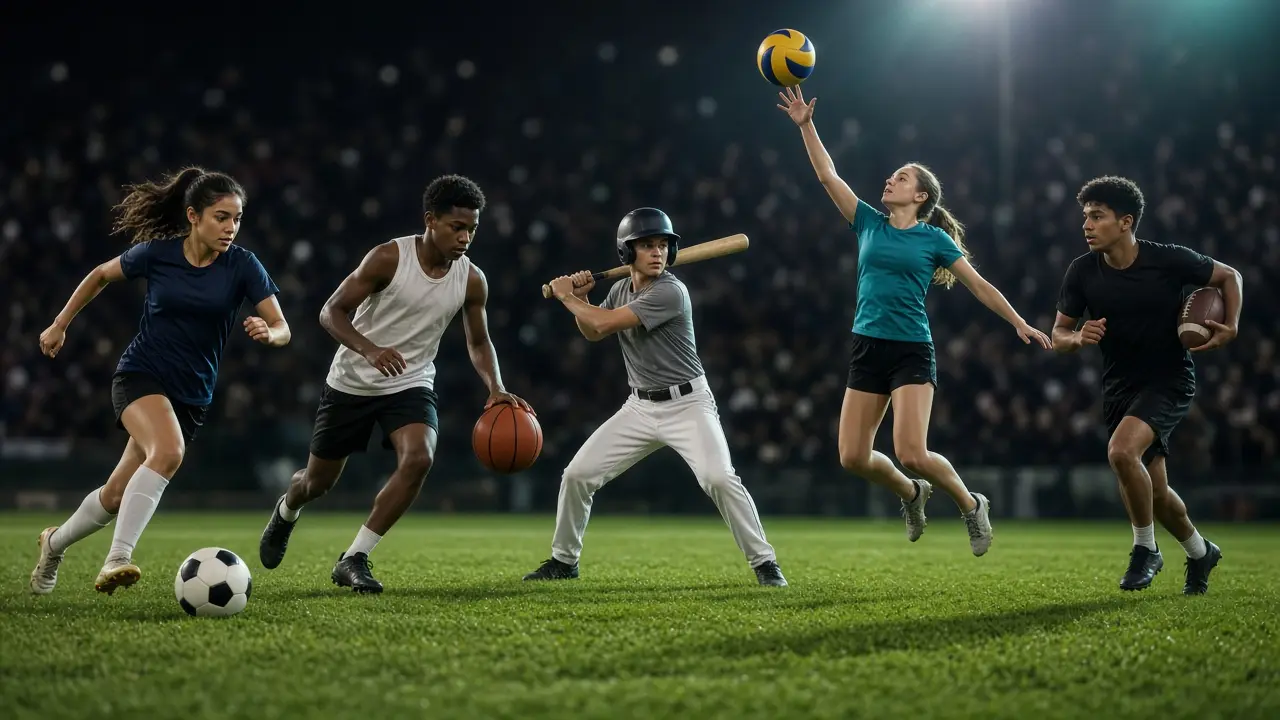
Picture a Saturday morning: a slightly-too-big jersey, a water bottle that's already half empty, and a kid who can't stop talking about the play they almost made. If you've been on the sidelines for that moment, you already know youth sports are about more than the final score.
The research backs up what parents, coaches, and grandparents see every week. Here's a look at what kids really gain when they play, plus a few simple ways to keep it fun.
Stronger, Healthier Bodies
The CDC recommends that kids and teens ages 6 to 17 get at least 60 minutes of moderate-to-vigorous physical activity every day. That can sound like a lot, but a practice, a pickup game, or a long bike ride gets them most of the way there.
According to the CDC, regular activity builds strong muscles and bones, improves heart and lung fitness, and lowers the risk of chronic conditions like type 2 diabetes. Sports are one of the easiest ways to make that activity something kids actually look forward to.
Confidence and Self-Esteem
There's something special about a kid finally landing a skill they've been working on for weeks. The President's Council on Sports, Fitness & Nutrition's Benefits of Youth Sports fact sheet notes that playing sports is associated with higher self-esteem and confidence. Every small win teaches a big lesson: I can get better at hard things.
Teamwork and Friendships
Teams are built-in friend groups. Kids learn to share the ball, cheer for each other, and work toward something bigger than themselves. The same President's Council fact sheet links sports to improved teamwork, social skills, and leadership. Those friendships often last well beyond the season.
Learning to Handle Losses
Nobody wins every game, and that's part of the point. Losing a close one, sitting on the bench, or missing a big shot gives kids a safe place to practice bouncing back. Research summarized by the President's Council connects sports with perseverance, grit, and resilience. A tough loss on Saturday becomes a lesson in getting back up on Monday.
Discipline and Time Management
Between practice, games, homework, and family time, young athletes learn to juggle. They figure out how to pack their own bag, show up on time, and finish homework before the bus to the away game. The President's Council lists goal setting, time management, and work ethic among the life skills linked to playing sports.
A Boost in the Classroom
Sports and school aren't competing priorities. The CDC notes that physical activity improves attention and memory, and the President's Council fact sheet reports that sports participation is associated with higher academic achievement.
Mental Health Matters Too
Running around with friends is one of the best stress relievers there is. Sports participation is associated with lower rates of anxiety and depression and lower stress, and the CDC lists a reduced risk of depression among the benefits of regular physical activity. Parents seem to feel it too: 73 percent of parents believe sports benefit their child's mental health, according to the same fact sheet.
Habits That Last a Lifetime
The habits kids build now tend to stick. According to the President's Council, adolescents who play sports are 8 times more likely to be physically active at age 24 than those who don't. A love of the game today can mean a healthier adult tomorrow.
Tips for Parents: Keeping It Fun
Make fun the main goal. The Aspen Institute's Project Play found that the average child quits sports by age 11, most often because it stopped being fun. Ask "Did you have fun?" before "Did you win?"
Let them try lots of sports. The American Academy of Pediatrics says playing multiple sports, at least until puberty, lowers the chances of injury, stress, and burnout, and recommends waiting until about age 15 or 16 to specialize in most sports.
Build in rest. The AAP encourages young athletes to take at least one to two days off per week and two to three months away from any one sport during the year. Watch for signs like fatigue, mood changes, or a sudden lack of interest.
Celebrate effort, not just results. Notice the hustle, the encouragement they gave a teammate, or the drill they finally nailed. That's what keeps kids coming back.
Keep the car ride home positive. A simple "I love watching you play" goes a long way.
How SportsHero Helps Keep Kids in the Game
All of these benefits only count if kids can actually play, and youth sports aren't cheap. Project Play's latest parent survey found that families spent an average of $1,016 on a child's primary sport in 2024, up 46% since 2019, with registration fees, gear, and travel among the biggest costs. For a lot of families, that adds up fast.
That's why we built SportsHero. Young athletes can create their own free digital trading card that tells their story: their sport, their position, and their team. They can also share an Amazon wishlist of the gear they need, whether that's new cleats, a glove, or a team bag.
From there, the people who already cheer them on, like grandparents, aunts and uncles, family friends, and local businesses, can give Sponsorships toward their sports journey. It's a simple way for a whole community to help with gear and fees.
Parents stay in control the whole way, with parent approval and private profiles. And just as important, a trading card is a fun way to celebrate effort and progress, not just stats. Seeing their own card, and knowing people are in their corner, can give a kid a real confidence boost.
The Bottom Line
Sports give kids healthier bodies, stronger minds, good friends, and lessons that last long after the final whistle. Your encouragement is a huge part of that.
If you'd like to help your athlete celebrate their journey, they can create their own trading card and let supporters back them with Sponsorships for gear and fees. It's free to start at sportshero.app.
Get in the game
Make the athlete's card, then share it with the people who want to back the season through Sponsorships.
Related posts
Tips
The Parent's Role on Game Day
Cheer the effort, leave the coaching to the coach, and keep the ride home kind. A practical game-day plan for parents, with what the research actually says about pressure.
Read MoreNovember 16, 2026 · 6 min read
Tips
Skills That Outlast the Season
Teamwork, resilience, discipline, and confidence do not stay on the field. Here is what the research says youth sports actually teach, and how parents can help those lessons stick.
Read MoreNovember 16, 2026 · 6 min read