

Tips
The Parent's Role on Game Day
SportsHero · November 16, 2026 · 6 min read
- Life Skills
- Coaching
- Sports
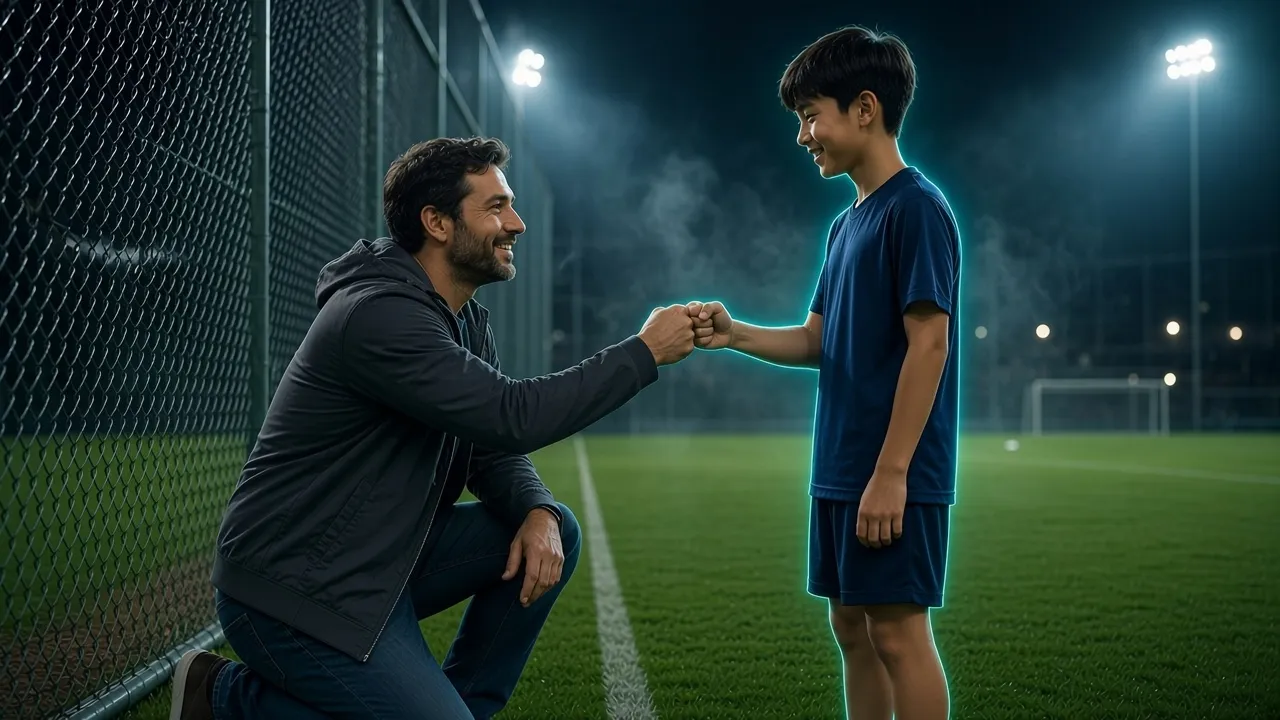
You packed the chairs, the snacks, and a jacket they will refuse until the second half. Then the whistle blows and a different job starts. Your child already has a coach. What they need from you is a steady adult who can enjoy the game without turning the sideline into a second practice.
Winning still feels good, and a miss in front of the other parents feels loud. How adults act around the game is tied to whether kids stay. This is a game-day plan that keeps the encouragement and drops the extra pressure.
Before the game
The hour before kickoff is not a film session. A tired, hungry, rushed kid walks in already behind.
Keep the talk low. Positive Coaching Alliance, writing with Little League, says parents can help most away from the field, and that the job is life lessons rather than a post-game breakdown. Before the game, a short version is enough: have fun, do your best, I am glad I get to watch. Then stop.
Let them pack their own bag. Water, shoes, and the thing they always forget are small rehearsals of responsibility. You can stand in the doorway and ask "Got everything?" without taking the bag back and redoing it.
Food and rest are logistics, not a lecture. A real meal or a simple snack, and a night that was not a highlight reel of last week's mistakes, will do more than a pep talk in the parking lot. If they are nervous, name it once. "Butterflies are normal. You have done this before." Then talk about something that is not the game.
During the game
Cheer what you can see them control. Effort. A hustle back on defense. A teammate they picked up. The score will take care of itself, and it is not your line to call.
Project Play's national survey of youth, with Utah State and Louisiana Tech, found a gap between kids who stay and kids who leave. Former players were more likely to say they had been pressured to play when they did not want to (21 percent, compared with 9 percent of current players) and compared with other players (18 percent, compared with 13 percent). Current players were also much more likely to have a parent at games or practices: 86 percent, compared with 58 percent of former players. Showing up matters. So does what you do once you are there.
Do not coach from the seats. The coach already gave the play. A second voice from the bleachers splits their attention. PCA's guidance, in that Little League piece, is to let the coaches coach and to leave the officials alone. In the same Project Play survey, girls who had quit were more likely than boys who had quit to say a parent argued with a coach or referee (13 percent versus 6 percent) and focused more on winning than on fun (18 percent versus 11 percent).
Watch your body. Arms crossed, a head shake, a sigh the whole row can hear: athletes read that faster than a shouted "good job." Clap. If you need to vent, do it later, away from the field, and not about your child.
After the game: the car ride home
This is the part parents ask about most, and the part athletes dread when it goes badly.
A Sport Information Resource Centre summary of interviews with 27 athletes, ages 11 to 16, and one of their parents, found both kinds of ride. Some kids looked forward to talking. Others endured it. A few said that after a mistake they were already bracing to "get it" in the car. The privacy of the car can be a safe place to talk about stress. It can also be where criticism gets sharper because nobody else is listening.
A 2025 conversation study of real car journeys home from British tennis matches found the same pattern in the audio. When parents opened by pointing out problems, children pulled away. When the child started the conversation and the parent followed, the talk stayed connected, win or lose.
PCA's advice matches that finding. Skip the post-game analysis unless they ask. If they are lit up and start talking, listen. Phones down. If they are quiet, you can still say one true thing that is not a grade: "I love watching you play." Then let them lead. Questions like "How did that feel?" work better than "Why did you swing at that pitch?"
If a correction is useful, it can wait until the next day. A critique in the first ten minutes teaches them that your love is tied to the stat line.
When they lose, or mess up
Losses are when adult anxiety leaks. You wanted the win too. Say that to yourself, not to them as a verdict.
"That one stings. I am here." If they want to replay it, follow their lead and stay on effort, not on who else should have passed. PCA's piece suggests reminding a discouraged kid who they are: the kind of person who comes back and tries again. A speech about toughness can wait.
What to say, and what to skip
Say:
- "I love watching you play."
- "I liked how you kept going."
- "How did that feel?"
- "Want to talk about it, or talk about something else?"
- "Proud of you, either way."
Skip, at least until they ask:
- "You should have..."
- "The coach should have put you in."
- "That ref cost you the game."
- "Your teammate messed that up."
- "If you practiced more, that would not have happened."
- A full breakdown before you leave the parking lot.
"You sprinted back after the turnover" is a fact. "You were the best one out there" is a comparison, and comparisons show up more often in the stories of kids who quit.
Keep it fun on purpose
Project Play's earlier parent survey found that the average child quits a sport by age 11, most often because they stopped enjoying it. Fun is the reason a lot of kids show up.
You cannot control the coach's tone. You can keep game day at home from feeling like a test. Ask once what they want from the season, then leave room for a friend on the team, a skill that clicked, and snacks after. If they want a week off, hear it before you book the next camp.
A quick checklist
- Night before: sleep, bag mostly packed, no replay of last game's errors.
- Morning of: food, water, a calm exit. One sentence of encouragement, then ordinary talk.
- On the sideline: clap for effort. No play-calling. No argument with the referee or the coach.
- Body check: uncross the arms. They can see you.
- Car door: "I love watching you play." Then wait.
- If they talk, listen. If they do not, talk about dinner.
- Save any real coaching note for later, and only if they want it.
- On the way to the next game, remember fun is the point of staying.
A free card for the kid who showed up
Game day is a lot of driving for a short whistle. A free Rookie card is a small way to mark the season they are actually living: the sport, the team, the effort, not only the score.
They can make one on SportsHero at no cost. If fees or gear are the stressful part of the week, people who already cheer for them can help with Sponsorships. You stay in charge of what is shared.
Get in the game
Make the athlete's card, then share it with the people who want to back the season through Sponsorships.
Related posts

Tips
Skills That Outlast the Season
Teamwork, resilience, discipline, and confidence do not stay on the field. Here is what the research says youth sports actually teach, and how parents can help those lessons stick.
Read MoreNovember 16, 2026 · 6 min read

Tips
More Than a Game: Why Playing Sports Matters So Much for Kids
From stronger bodies to bigger confidence, here's why youth sports matter and how parents can keep the game fun, healthy, and within reach.
Read MoreNovember 15, 2026 · 5 min read